News

On October 12 and 13, a Dutch delegation visited the embassy in Brussels, imec, Soitec, and Jabil. A first step towards more cooperation between the Netherlands and Flanders.
SPRIND and NADI together provide 40 million euros for teams that accelerate chip design with AI from years to weeks. Registration is possible until November 30, 2026.

The demand for talent in the Dutch semiconductor sector continues to grow. In the second quarter of 2026, 1,229 vacancies were registered with 96 organizations. This is significantly higher than in the same quarter last year, when 899 vacancies were registered with 81 organizations. This is evident from the latest labor market fact sheet of ChipNL Competence Centre.

On July 17, 2026, over 40 startups, SMEs, researchers, and investors gathered at the MECC Maastricht for the workshop Quantum Photonics for Startups & SMEs. The meeting took place during the Optica ImageSense Congress and was a joint initiative of ChipNL CC, the Finnish Chips Competence Centre (FiCCC), and the Austrian Chips Competence Center (AT-C3). A central question shared by many participants was: how do you transform promising technology in photonics and quantum into a fundable growth trajectory?

TechWorks organizes the Semiconductors to Systems Summit (S2S26) on 26 August 2026 in London, in partnership with the UK Semiconductor Centre. For the first time, the British trade organizations NMI, DESN, AESIN, and IoTSF are combining their conferences into one summit for the entire chain from semiconductors to systems. For the Dutch semiconductor ecosystem, this is an opportunity to make international contacts outside the EU.
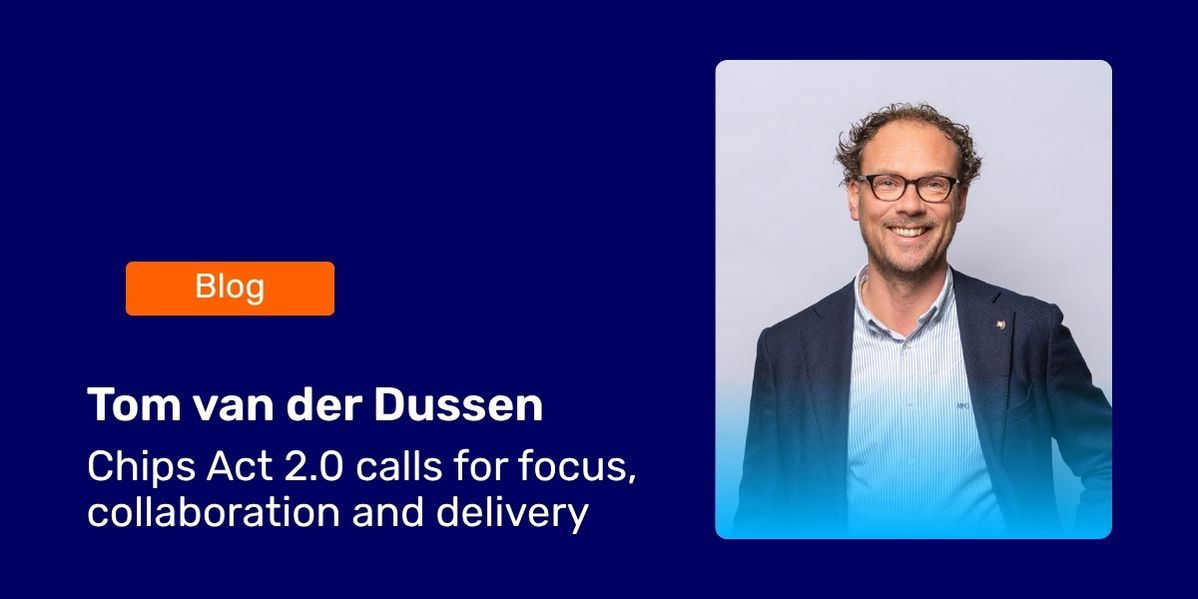
On 3 June 2026, the European Chips Act 2.0 was presented, with a new focus on demand for European chips. Tom van der Dussen on what this means for the Netherlands and the role of ChipNL CC.

Nederland is bekend van één halfgeleider-succesverhaal, maar het zijn er veel meer. Een nieuwe ChipNL CC-factsheet brengt het complete ecosysteem in beeld: 58.000+ mensen en 33,6 miljard euro over de hele waardeketen.

Access to semiconductor pilot lines often begins with many questions. In this blog, Thiago Raddo shares how ChipNL CC helps startups and SMEs find the right path — from understanding the actual need to taking the step towards European Pilot Lines.

In an interview with Brainport Eindhoven, Nick Hol and Rutger Holtzer explain how the ChipNL Competence Centre and the Beethoven program complement each other. Both initiatives work from their own role towards the same broader task: strengthening the Dutch semiconductor sector.
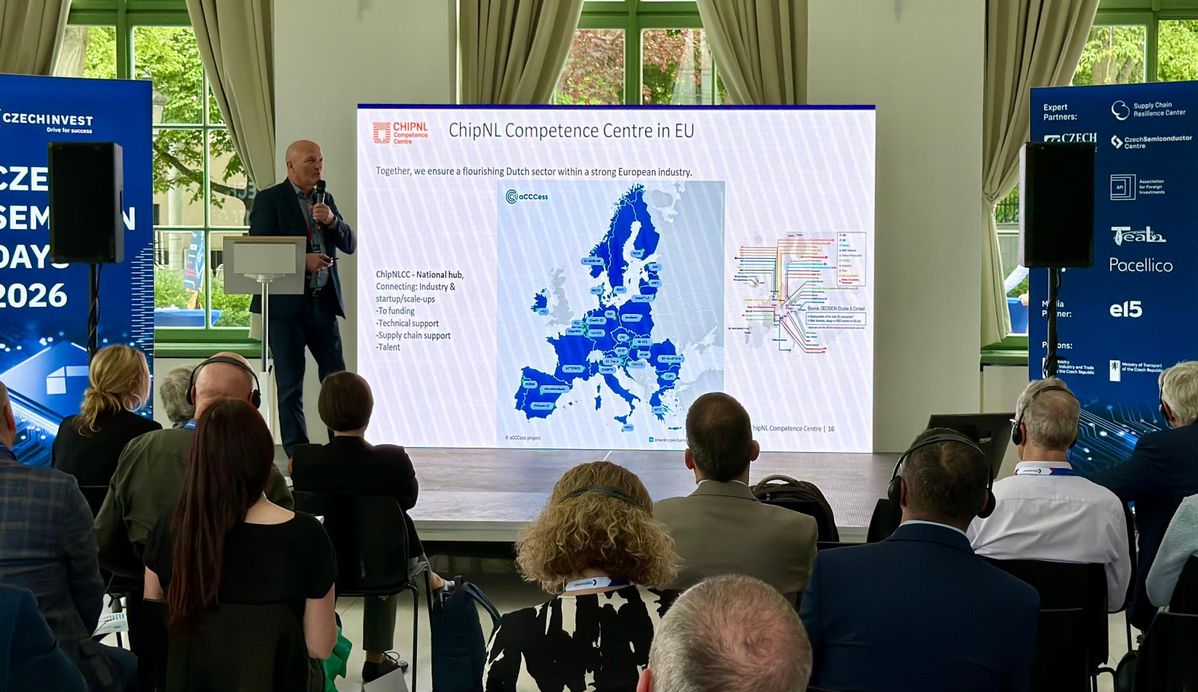
From May 18 to 20, 2026, Czech Semicon Days brought together companies, knowledge institutions, public organizations, and innovation partners in Prague, Brno, and Ústí. The event focused on “Semiconductors for future mobility” and provided space for knowledge sharing, international meetings, and discussions on the development of the semiconductor sector in Europe.
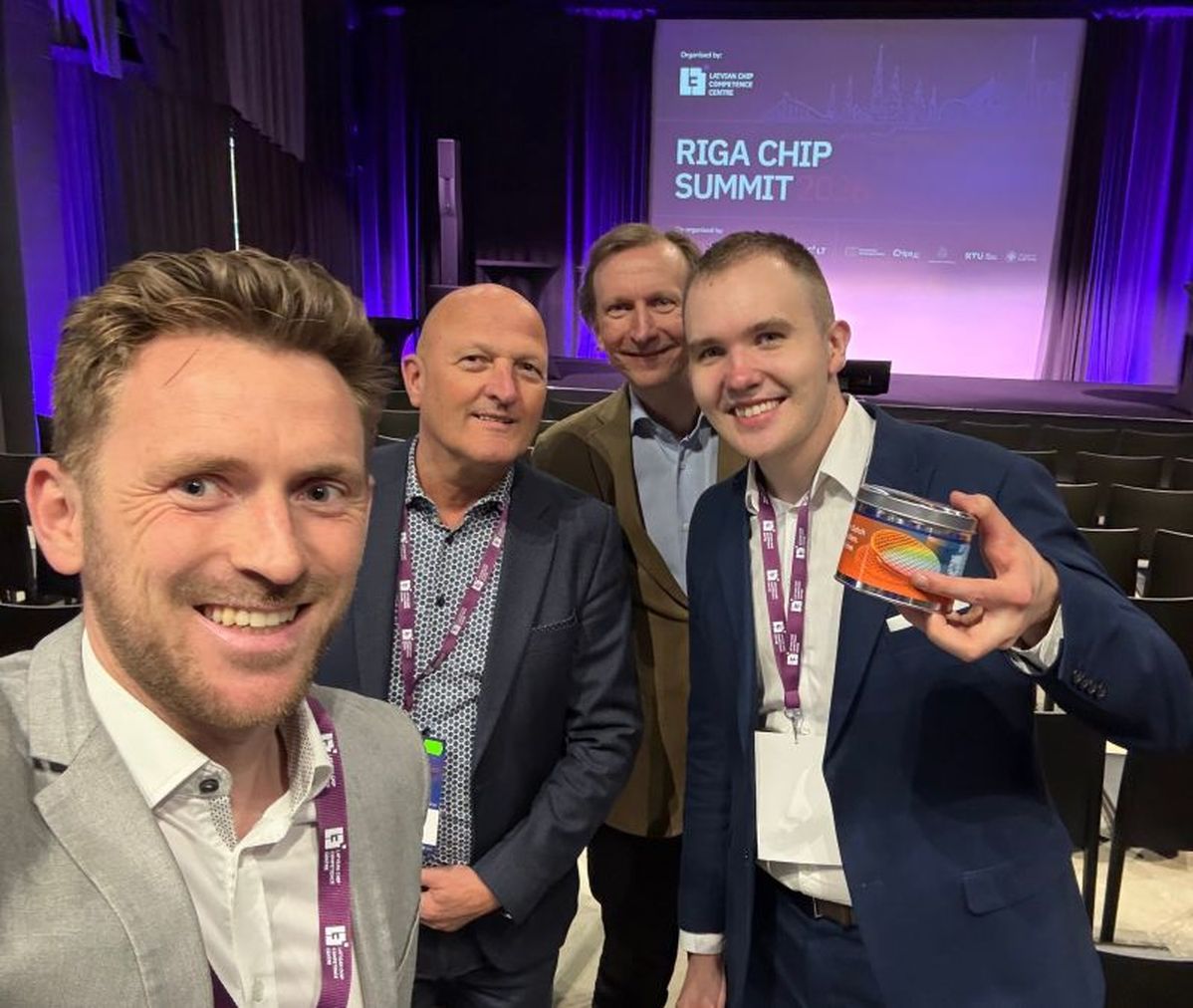
On May 13, 2026, the first Riga Chip Summit took place in Riga: the first chip-specific event in Latvia, organized by the Latvian Chip Competence Centre (LCCC). The summit brought together companies, research institutions, Chip Competence Centres, startups, SMEs and investors from the Nordic-Baltic region and the broader European semiconductor ecosystem.

For startups, scale-ups, and SMEs, the European semiconductor ecosystem offers many opportunities. Think of access to pilot lines, specialized facilities, European funding instruments, partner networks, and new markets. At the same time, the landscape is complex and not always easy to navigate.