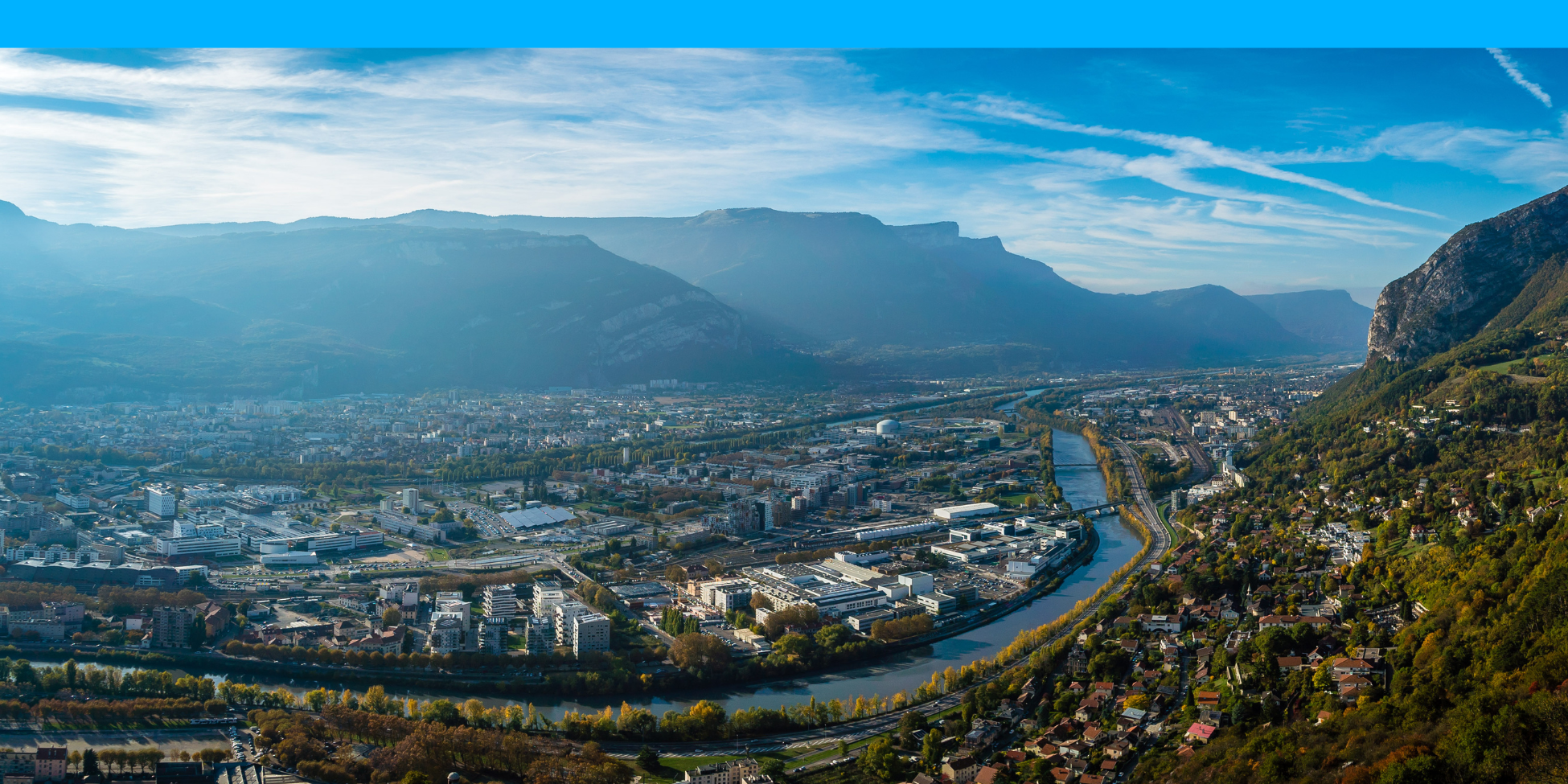
From 16 to 19 March 2026, a Dutch delegation of companies, research organisations, universities and ecosystem partners travelled to Grenoble, one of Europe's leading semiconductor regions. The mission was organised by ChipNL CC. The aim: to bring the Dutch and French semiconductor ecosystems closer together and explore where collaboration can create opportunities.
Why Grenoble?
Grenoble combines world-class research, advanced manufacturing and strong regional investment. The ecosystem is anchored by players such as research institute CEA-Leti, Soitec and innovation cluster Minalogic, and has grown over decades into a leading hub for semiconductor innovation.
For the participants, this was an opportunity to see up close how such an ecosystem works: through long-term investment, public-private collaboration and close links between research, industry and infrastructure.
Matchmaking through Minalogic
Through Minalogic, participants held pre-arranged B2B meetings with European companies and organisations. The targeted format allowed conversations to get to the point quickly and also revealed unexpected synergies. It showed the value of a structured international networking platform.
CEA-Leti and the FAMES pilot line
At CEA-Leti, the delegation gained insight into advanced semiconductor research and the infrastructure of the FAMES pilot line. Topics included silicon-on-insulator (SOI) technologies and energy-efficient chip design. These topics are becoming increasingly relevant as Europe works towards technological sovereignty and sustainable innovation.
Visit to Soitec
At Soitec, participants explored the industrial application of advanced materials and the company's role in the global semiconductor value chain. Discussions focused on collaboration opportunities, talent challenges and future technological developments.
Networking dinner with NBSO Lyon
The mission concluded with a networking dinner hosted by NBSO Lyon. The informal setting gave participants the opportunity to deepen new connections and reflect on the mission together.
What the mission showed
Collaboration as a foundation. Grenoble shows how long-term cooperation between government, research institutes and industry can lead to a strong technological position.
Infrastructure and pilot lines make the difference. Access to facilities such as those at CEA-Leti is essential to bring research to industrial application.
Talent is a shared European challenge. Across organisations, the need for skilled talent came up again and again. This underlines the importance of joint European efforts in education and talent development.
New connections. Initial feedback shows that participants made valuable new contacts and see opportunities for follow-up collaboration. As with many international missions, these outcomes often take shape over time.
Next steps
The mission is not a standalone event, but a starting point for further collaboration between European semiconductor regions. After the mission, the presentations were shared with participants. Discussions are also ongoing about follow-up initiatives, such as multi-regional collaboration formats and future missions.
European context
The mission is part of the work of the European network of Chips Competence Centres, established under the EU Chips Act and the Digital Europe Programme. The network connects national ecosystems so that companies and research organisations can access expertise, infrastructure and pilot lines across Europe. With this mission, ChipNL CC connected Dutch organisations with the Grenoble ecosystem, including CEA-Leti and the FAMES pilot line.
The role of ChipNL CC
ChipNL CC organised the mission, put together the programme and brought the Dutch participants together. The competence centre connects Dutch SMEs, startups and research organisations with European expertise, infrastructure and networks, and supports them in taking next steps. Would you like to know more about European pilot lines or future missions? Please get in touch with ChipNL CC.